
Blog News
Sur-Ron vs Petrol Dirt Bikes
Oct
Sur-Ron vs Petrol Dirt Bikes – Which is Better for Australian Trails?
Sur-Ron vs Petrol Dirt Bikes As the popularity of electric bikes continues to rise, many riders are faced with the choice between electric options like the Sur-Ron and traditional petrol dirt bikes. In Australia, where vast trails and rugged terrains beckon adventure enthusiasts, this decision can significantly impact your riding experience. In this blog post, we’ll compare Sur-Ron electric bikes with petrol dirt bikes, examining their pros and cons to help you decide which is better suited for Australian trails.
Overview of Sur-Ron Electric Bikes
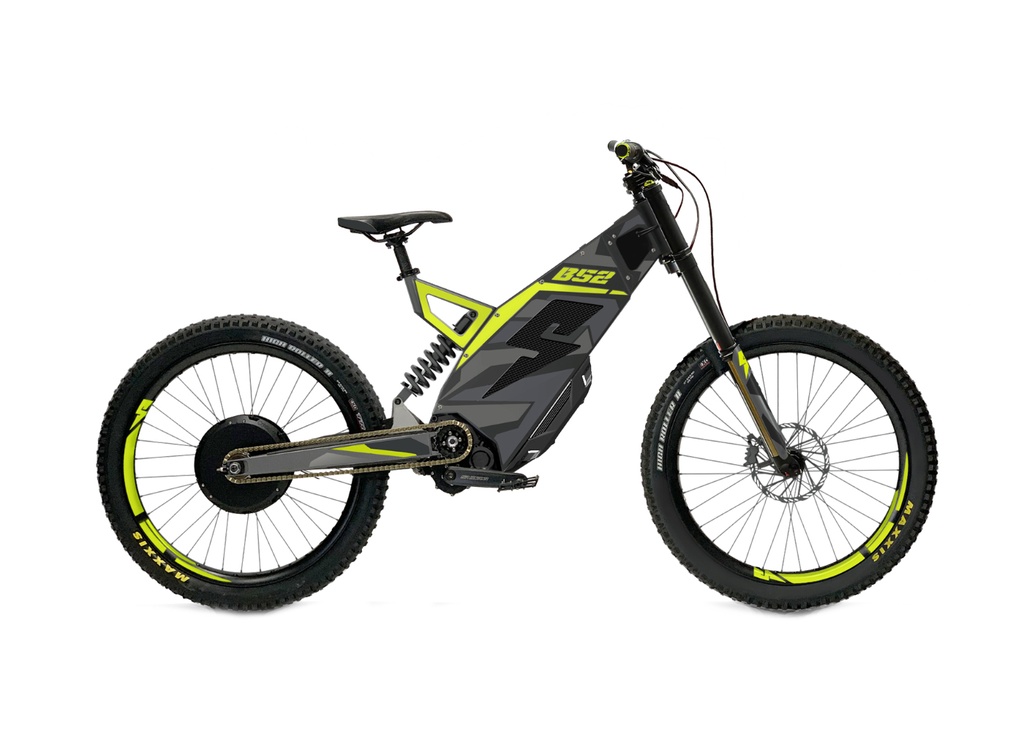
Sur-Ron electric bikes, particularly the Sur-Ron Light Bee, have gained a reputation for their robust performance, lightweight design, and eco-friendliness. These bikes are built for off-road use and are equipped with powerful electric motors that provide instant torque, making them incredibly responsive on trails.
Key Features of Sur-Ron Bikes:
- Electric Motor: The Sur-Ron Light Bee features a 6000W motor, delivering impressive acceleration and top speeds of around 50 km/h (31 mph).
- Battery Life: With a 60V lithium battery, riders can expect a range of approximately 60-100 km (37-62 miles) depending on terrain and riding style.
- Weight: Weighing around 47 kg (104 lbs), the Sur-Ron is lighter than many petrol dirt bikes, enhancing maneuverability.
- Maintenance: Electric bikes require less maintenance than petrol bikes, with no oil changes or fuel system upkeep.
Overview of Petrol Dirt Bikes
Petrol dirt bikes have been the standard for off-road riding for decades. Brands like Honda, Yamaha, and Kawasaki offer a wide range of models that cater to different skill levels and preferences.
Key Features of Petrol Dirt Bikes:
- Engine Power: Petrol bikes typically range from 125cc to 450cc engines, providing varying power levels suitable for different terrains.
- Fuel Range: Depending on the model, petrol dirt bikes can offer a range of 100-200 km (62-124 miles) on a full tank, depending on the engine size and riding conditions.
- Performance: Petrol bikes are known for their high-speed capabilities and performance over long distances, making them ideal for extensive trail riding.
- Weight: While heavier than electric bikes, petrol dirt bikes are designed for rugged terrain and can handle challenging conditions effectively.
Comparing Performance on Australian Trails
Acceleration and Speed
- Sur-Ron: The instant torque from the electric motor allows for rapid acceleration, making it easier to navigate tricky terrains and steep inclines. The top speed is adequate for most trail riding, but it may fall short on open tracks compared to high-performance petrol bikes.
- Petrol Dirt Bikes: With higher top speeds available, petrol bikes excel in racing scenarios and long-distance rides. They can maintain speed over rough terrains more efficiently than electric bikes.
Range and Refueling
- Sur-Ron: The range of 60-100 km is generally sufficient for shorter trails and recreational rides. However, charging can take several hours, which might limit longer excursions unless you have access to charging stations.
- Petrol Dirt Bikes: With quick refueling times and larger ranges, petrol bikes are more suited for extended rides. Riders can easily carry extra fuel for longer trips, making them more versatile for remote trails.
Weight and Maneuverability
- Sur-Ron: The lightweight design of the Sur-Ron allows for easy handling and maneuverability, particularly in tight trails and technical sections. This makes it an excellent option for beginners or those looking for a less physically demanding ride.
- Petrol Dirt Bikes: While generally heavier, experienced riders can leverage the weight of petrol bikes for stability on rough terrain. However, this can make them more challenging for beginners to handle.
Environmental Impact
One of the most significant advantages of the Sur-Ron is its environmental impact. Electric bikes produce zero emissions, making them a more sustainable choice for eco-conscious riders. In contrast, petrol dirt bikes emit greenhouse gases and require fossil fuels, contributing to environmental concerns.
Maintenance and Costs
Sur-Ron
- Lower Maintenance: Electric bikes have fewer moving parts, leading to lower maintenance costs. Regular checks on the battery and brakes are usually sufficient.
- Initial Cost: The upfront cost of a Sur-Ron can be higher than some petrol bikes, but savings on fuel and maintenance can offset this over time.
Petrol Dirt Bikes
- Higher Maintenance: Petrol bikes require regular oil changes, filter replacements, and more extensive maintenance, contributing to higher long-term costs.
- Fuel Costs: Ongoing fuel expenses can add up, especially for riders who frequently hit the trails.
Conclusion: Which is Better?
The choice between a Sur-Ron and petrol dirt bike ultimately depends on your riding style, preferences, and the type of trails you plan to explore in Australia.
- Choose Sur-Ron if:
- You prefer a lightweight, eco-friendly option.
- You enjoy short to medium trail rides with quick acceleration.
- You want lower maintenance and operating costs.
- Choose Petrol Dirt Bike if:
- You need higher performance for long-distance rides and racing.
- You prefer the traditional feel and sound of a petrol engine.
- You often ride in remote areas where charging options are limited.
Both options have their merits, and the best choice is one that aligns with your riding goals and lifestyle. Whichever you choose, the Australian trails are waiting for your next adventure
